

Dental AI X-ray
An AI engine that automatically analyzes dental X-rays, detects clinical findings, suggests treatments, and generates reports for both the dentist and the patient — currently in development as a core intelligence layer inside Naab.Project Overview
Dental X-rays sit at the centre of clinical decision-making, but reading them accurately takes time, attention, and experience that varies between practitioners. The question was whether AI could sit alongside the dentist — not replace the clinical judgment, but augment it. We are building the answer as a standalone AI engine, currently in development for integration inside Naab: an analysis pipeline that activates the moment an X-ray is uploaded, processes the image, and returns structured findings before the dentist has finished reviewing the next patient.
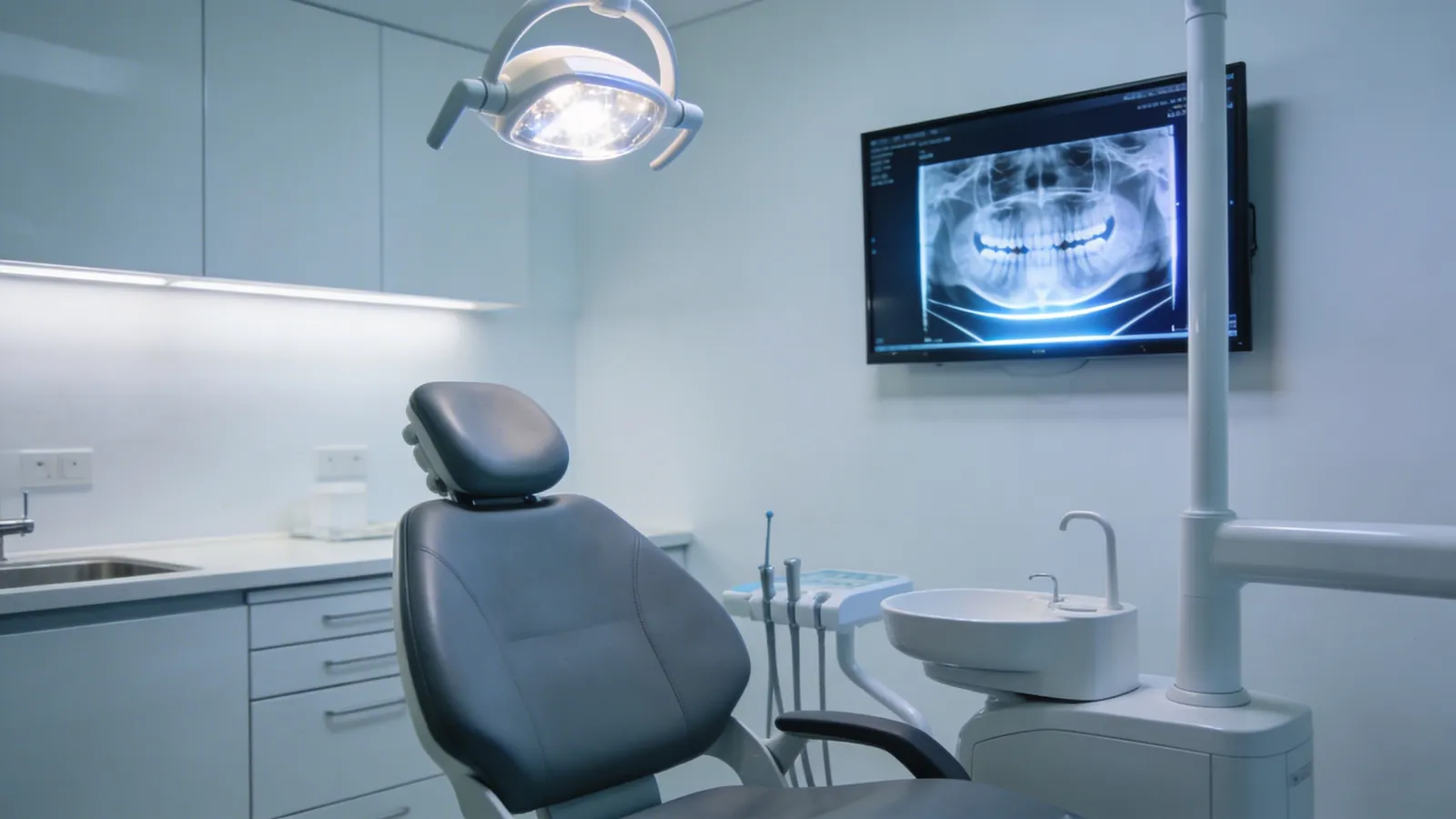
The ingestion starts at the X-ray machine. A lightweight desktop agent installed on the clinic's PC watches the DICOM folder where the X-ray machine deposits scans. When a new file appears, it reads the metadata, prompts the dentist to confirm the patient, and uploads the image directly to Naab — attached to the patient's record and current visit automatically. The dentist's workflow doesn't change. The X-ray they've always taken now triggers an AI analysis without any extra steps.
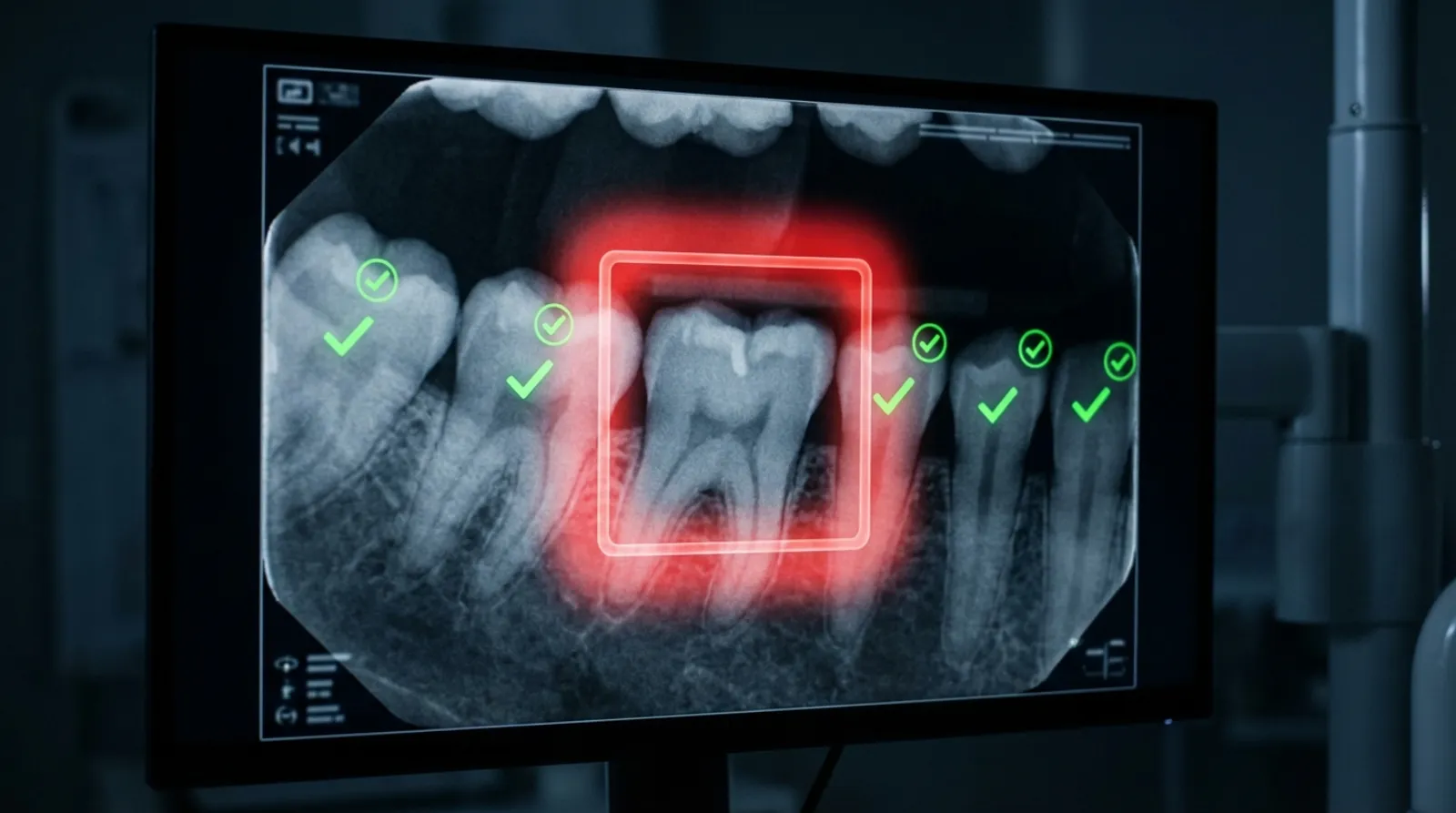
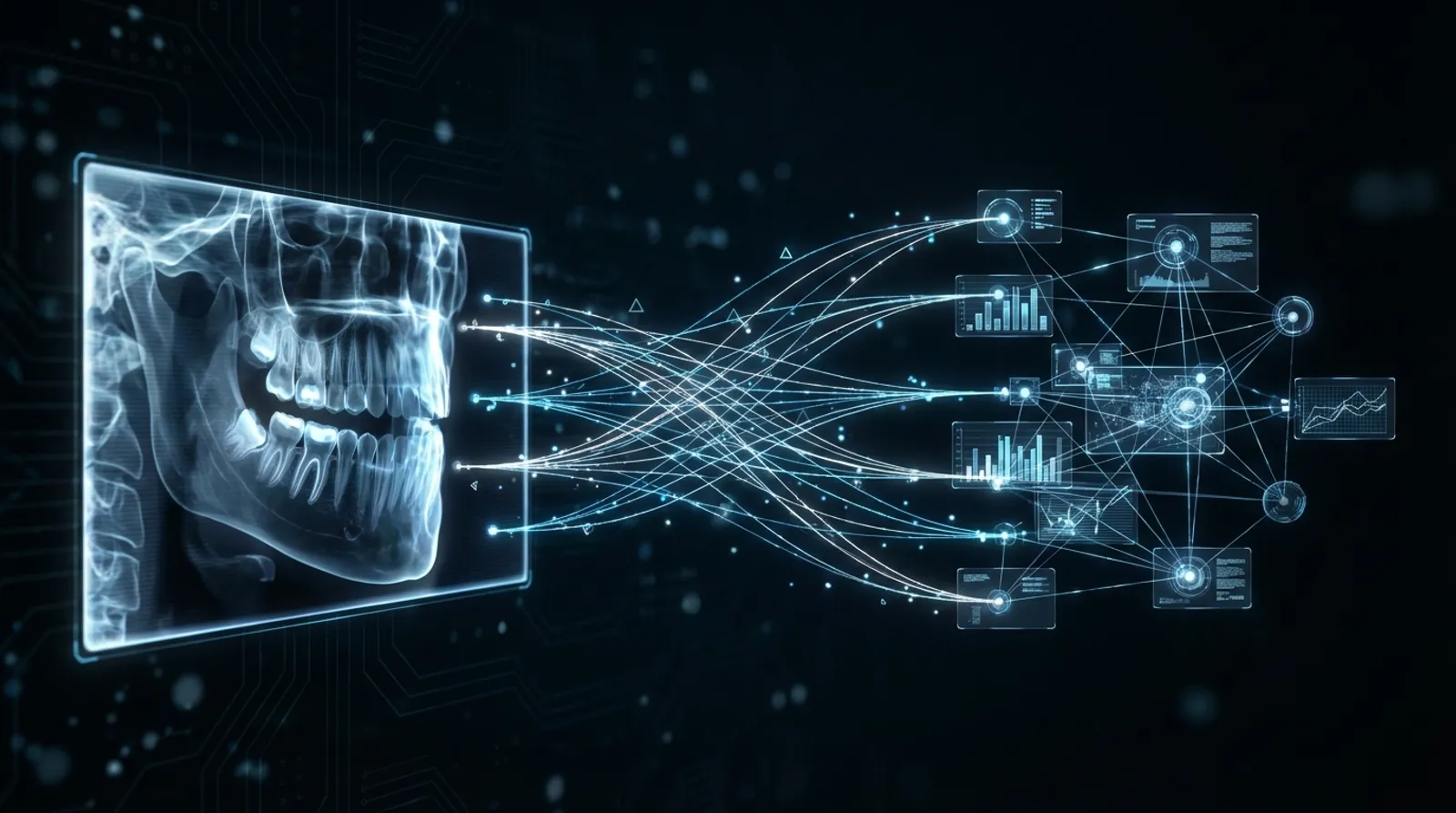
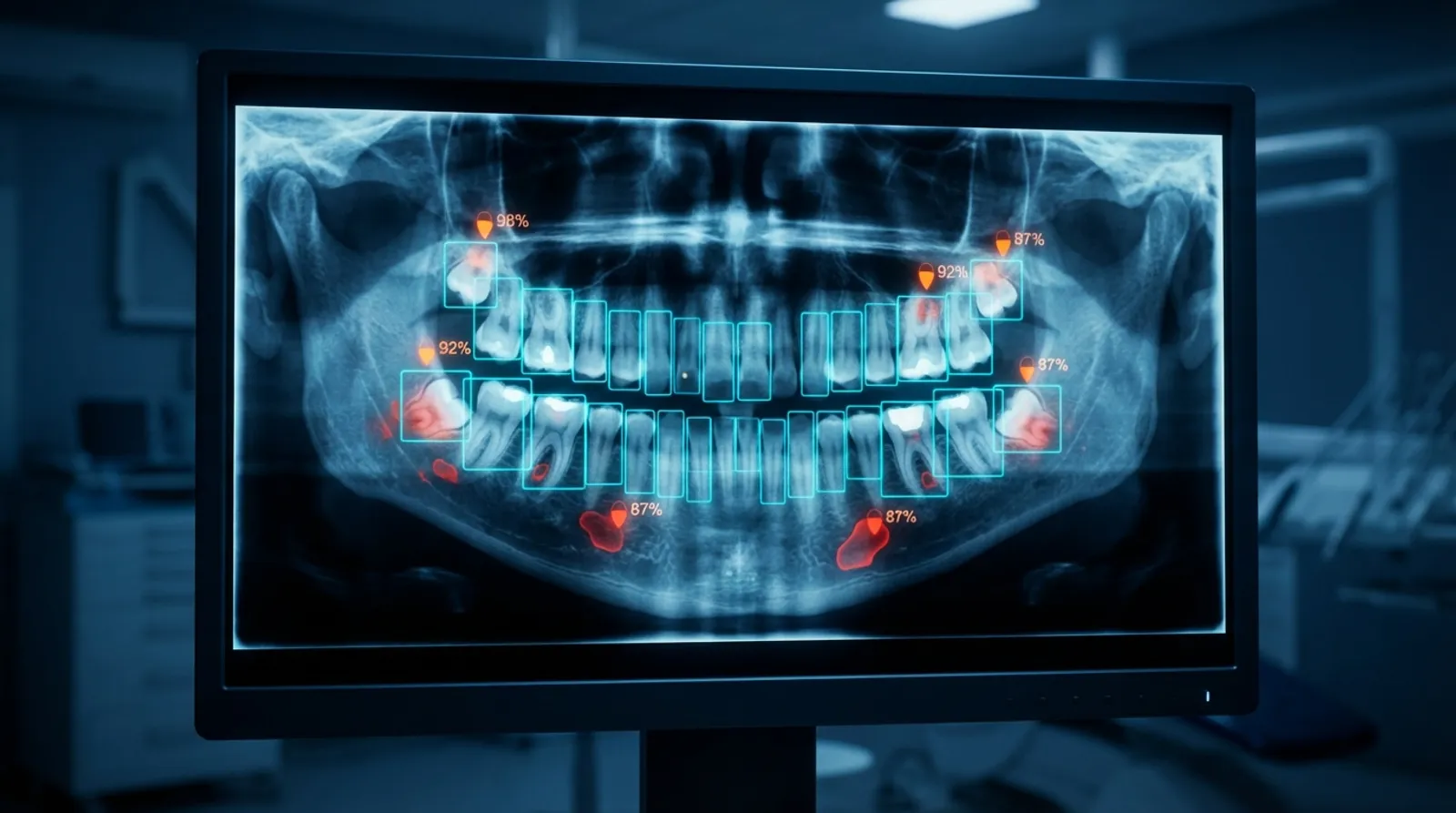
The analysis pipeline processes the uploaded DICOM through a multi-stage model. The image is normalised and classified by type — panoramic, periapical, or bitewing — then passed through a detection model that segments individual teeth and identifies findings: cavities at various stages, bone loss, periapical lesions, impacted teeth, fractures, and existing restorations including fillings, crowns, and implants. Each finding is returned with a confidence score and a visual overlay so the dentist sees exactly what the model detected and where on the image.
Findings feed directly into a clinical rules engine that maps detections to treatment suggestions. A cavity becomes a filling or crown recommendation depending on depth. Bone loss triggers a deep cleaning or specialist referral pathway. Each suggestion carries a confidence score, and the dentist can accept, modify, or dismiss each one individually. Accepted findings convert with one click into treatment plan items and invoice line items inside Naab — closing the loop from scan to plan to billing without re-entering data anywhere.
Two reports are generated from the same analysis. The clinical report is written for the dentist — technical findings, measurements, annotated image. The patient report is written in plain language — what was found, what it means, what happens next — delivered to the patient's portal and accessible through the AI chatbot that can answer follow-up questions based on their specific records. The model is fine-tuned continuously as dentists review and correct findings over time, improving accuracy with every clinic that uses it. A second opinion in under sixty seconds, built into the platform dentists already use every day.
Project Gallery